
Hyperbaric oxygen therapy benefits are often discussed in connection with recovery, energy, tissue support, and long-term wellness. Mild hyperbaric oxygen therapy, or mHBOT, involves breathing 100% oxygen while resting in a chamber with increased atmospheric pressure.
This mechanism has established medical applications in specific clinical settings recognized by the Undersea and Hyperbaric Medical Society (UHMS), while wellness use calls for careful expectations. Colorado Springs’ elevation of roughly 6,035 feet also gives oxygen-related therapies a relevant local context. mHBOT should be considered through an individual consultation, not as a cure or replacement for medical care.
Clinical oversight
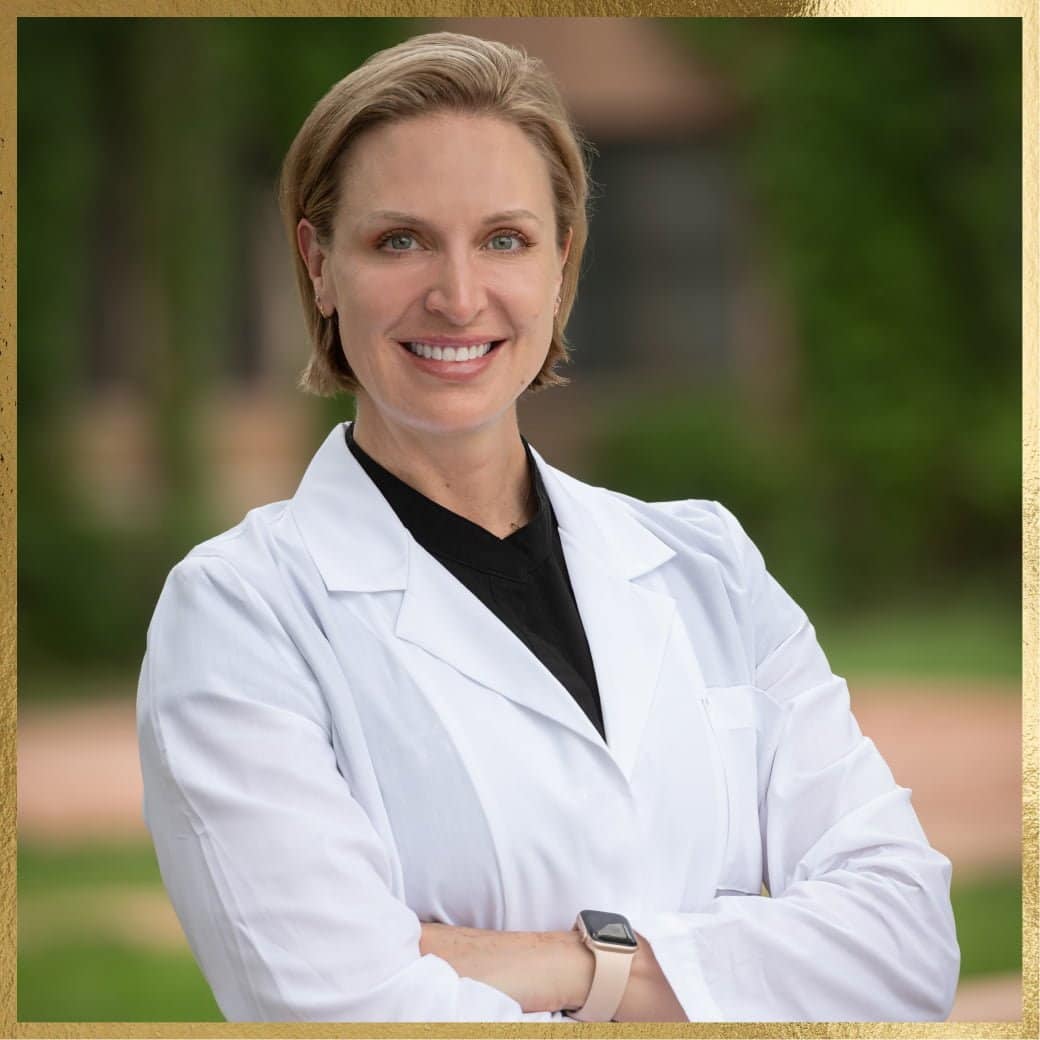
Kelly McKay, MSN, APRN, CRNA, serves as Aspen Aesthetics + Wellness’ Clinical Director. mHBOT sessions are provided under medical oversight and supervised by trained wellness technicians who explain chamber procedures, monitor comfort, and help clients manage pressure changes.
Clinical hyperbaric oxygen therapy, as defined by UHMS, is delivered at pressures of at least 1.9–3.0 ATA for roughly 90 to 120 minutes per session using medical-grade oxygen. Mild, wellness-oriented mHBOT protocols use lower pressures than that meaningfully. This pressure difference is the actual reason ‘mild’ HBOT and clinical HBOT are treated as distinct categories, not a smaller version of the same guaranteed result, but a different exposure level with a different, still-developing body of evidence behind it.
Under everyday conditions, most oxygen travels through the bloodstream attached to hemoglobin in red blood cells. Increased pressure allows more oxygen to dissolve directly into blood plasma, the liquid portion of blood. That oxygen-rich plasma can then circulate through small blood vessels and reach tissue. The UT Southwestern overview of hyperbaric oxygen therapy provides additional information about this pressure-and-oxygen mechanism.
The treatment does not force tissue to heal or create the same response in every person. It temporarily changes oxygen availability during a session. Clinical HBOT uses this mechanism for the defined medical indications UHMS has reviewed and approved, such as supporting wound healing in a clinical setting. Wellness-focused mHBOT applies a lower-pressure approach for recovery and general well-being, an area where evidence is still developing and should not be described in the same terms as an FDA-cleared clinical use.
What does hyperbaric oxygen therapy do for a wellness client? People commonly ask about physical recovery, everyday energy, inflammation, and tissue support. These are reasons for seeking care, not promised outcomes. Screening should consider health history, current symptoms, medications, and the purpose of treatment.
Hyperbaric oxygen therapy for recovery interests active adults managing demanding training schedules. Researchers have studied whether oxygen under pressure may influence muscle fatigue, soreness, and recovery between workouts. Some small studies report changes in recovery measures, but findings are not consistent enough to classify mHBOT as a proven performance enhancer.
For people researching hyperbaric oxygen therapy for athletes, the practical question is whether it fits a broader recovery plan. At Aspen, mHBOT may be discussed alongside services such as whole-body cryotherapy and red light therapy, based on individual goals and screening, not as a replacement for either.
No recovery service replaces sleep, hydration, appropriate nutrition, progressive training, or medical evaluation of an injury. mHBOT is better viewed as one possible part of a clinically guided wellness plan, not a standalone fix.
Some clients report feeling rested, clear-headed, or energized after mHBOT. These experiences are subjective and may vary with sleep, hydration, overall health, and session frequency. Current research does not support presenting mHBOT as a treatment for unexplained fatigue or an underlying medical condition.
The mild hyperbaric oxygen therapy benefits discussed in a wellness setting are better framed as possible support for recovery and daily well-being. A small body of research has examined mild-pressure exposure, fatigue, cognition, and oxygen metabolism, but much of it remains preliminary and has not been evaluated by UHMS as an approved indication.
Persistent fatigue, dizziness, shortness of breath, or a significant change in energy deserves medical evaluation. An elective wellness session should not delay that assessment.
Interest in hyperbaric oxygen therapy for inflammation comes from oxygen’s role in cellular activity and tissue repair. In established clinical settings, correctly dosed HBOT can affect blood flow, swelling, immune activity, collagen production, and small blood-vessel formation. These mechanisms help explain its FDA-cleared use for selected wounds and other defined indications.
It would be inaccurate to assume every inflammatory concern responds the same way, or that mild-pressure mHBOT produces the same effects as a hospital-grade protocol delivered at clinical pressures. mHBOT may be considered within a recovery-focused wellness plan, but it is not a general treatment for inflammatory diseases.
A consultation should focus on the person’s goals and the limits of available evidence rather than broad promises about “reducing inflammation.”
The strongest evidence for hyperbaric oxygen therapy involves specific medical conditions cleared by the FDA and defined by UHMS, including selected nonhealing wounds, decompression sickness, carbon monoxide poisoning, radiation injury, compromised skin grafts, severe anemia, and certain serious infections. Treatment for these conditions is generally delivered through clinical hyperbaric programs, at higher pressures and for longer sessions than wellness mHBOT. The Cleveland Clinic overview of hyperbaric oxygen therapy explains these established uses and their risks.
Evidence for mild-pressure wellness use is still emerging. Small studies have examined exercise recovery, fatigue, cognition, and inflammatory pathways. A 2025 case report in Frontiers on low-pressure HBOT described changes in one patient. A single case report can suggest a direction for future research, but it cannot establish effectiveness for a wider population, and it should not be cited as proof of a general benefit.
Researchers are also studying possible neurological mechanisms. Reviews of HBOT mechanisms, cognition, and possible neuromodulatory effects discuss areas that warrant further study. They do not establish wellness mHBOT as a treatment for stroke, traumatic brain injury, Alzheimer’s disease, multiple sclerosis, autism, or any other neurological condition. The FDA’s own consumer guidance specifically lists conditions such as autism, Alzheimer’s disease, and cancer as unproven uses of hyperbaric oxygen therapy, and that guidance applies with equal force to mild, wellness-based protocols.
Research interest is different from proven clinical benefit. Pressure, oxygen concentration, session length, treatment frequency, and patient selection all affect how study findings should be interpreted, which is exactly why an individual consultation, not a general marketing claim, is the right way to set expectations.
At Aspen, a session takes place in a clear, single-person chamber and typically lasts 60 to 90 minutes. Clients may read, rest, meditate, or nap. The chamber’s clear panel allows communication with the wellness technician, which may help people who feel uneasy in enclosed spaces. A chamber tour can also be requested before beginning treatment.
Aspen asks clients to wear clean cotton clothing and avoid jewelry, wigs, perfumes, and heavily scented lotions. The wellness technician reviews preparation and chamber-safety rules before treatment. These restrictions matter because oxygen-rich environments require careful safety procedures.
The most common hyperbaric oxygen therapy side effects involve ear or sinus pressure as the chamber compresses. This pressure-related effect is called barotrauma. A technician can teach an ear-clearing technique similar to managing pressure during an airplane’s descent.
Clients should tell the technician about congestion, fever, chest symptoms, possible pregnancy, diabetes-related concerns, medication changes, or anxiety before entering the chamber. Suitability should be determined before treatment rather than after discomfort occurs.
Aspen’s rates are $135 for members and $150 for non-members. Treatment plans may range from five to 50 sessions, with frequency based on the individual plan. Pricing and protocols can change, so clients should confirm current details during consultation.
Colorado Springs sits at approximately 6,035 feet above sea level. The percentage of oxygen in outdoor air remains close to 21%, as it does at sea level, but lower atmospheric pressure reduces the amount of oxygen available with each breath.
Healthy residents usually adapt over time, and many visitors acclimatize without difficulty. Living at elevation does not automatically indicate that someone needs supplemental oxygen or mHBOT.
This makes hyperbaric oxygen therapy at altitude a relevant local topic, but mHBOT should not be promoted as a way to ignore symptoms of altitude illness. Headache, nausea, confusion, significant shortness of breath, or worsening symptoms require appropriate medical attention, not an elective wellness session.
A consultation can separate reasonable wellness goals from claims the evidence does not support. Aspen can explain mHBOT at Aspen, review safety considerations, and discuss how it compares with other recovery services, including IV and IM therapy.
Hyperbaric oxygen therapy benefits depend on the pressure used, the reason for treatment, the session plan, and the individual. Aspen’s medically guided approach keeps the conversation focused on recovery, wellness support, and realistic expectations. Schedule a consultation to learn whether mHBOT may be an appropriate part of your plan.
This was my first ever chemical peel, and Kelly was great! She is so educational and helpful in explaining the process and all of the following steps + skincare. I can’t wait to see my results and follow up with her again!

Monday 9 AM–5 PM
Tuesday 9 AM–5 PM
Wednesday 9 AM–5 PM
Thursday 9 AM–5 PM
Friday 9 AM–5 PM
Saturday 9 AM–5 PM
Sunday 10 AM–3 PM

Thursday, November 5
Join us for our open house from 5:30 to 8:30 PM. RSVP to be entered in over $5,000 in giveaways, including a year of Tox.
RSVP now